


Drive and Shop with Shipt
4.211.55K Reviews
App Specs
- Version
- 4.128.0
- Updated On
- License
- Free
- Downloads
- 1,000,000+
- Developer
- Shipt
- Categories
- Business
- Platform
- Android, iOS
Screenshots
 Analysis by AppCompare
I judge a shopper-and-driver app less by how polished it looks than by whether it helps me stay calm when a real order gets complicated. Shipt: Shopper and Driver is built around local shopping and delivery work, so its value depends on the fit between the app, your neighborhood and the way you prefer to work. It is free to install, and Shipt, the developer, focuses it on people who want a flexible way to take on shopping and delivery tasks.
Readability and finding your way around
The first impression is straightforward: the app is organized around getting into the work rather than making you learn a complicated system first. In my experience, clear order details matter more than decorative design when you are trying to move through a store efficiently. The app’s shopping lists and customer instructions give each order a practical shape, while search can help narrow down a specific item instead of making you scan a long list manually.
That said, “easy to use” is personal. A shopper who already knows the local stores may move through an order quickly; someone new to the area or unfamiliar with a store’s layout may need more time to interpret the list and locate products. I would treat the app as a guide to the task, not a substitute for learning which aisles and entrances make sense at the stores you visit often.
Shipt is a business app with a 4.2 average from around 40,000 ratings. That gives a prospective shopper a useful sense that it has a substantial user base, but ratings alone cannot tell you how well a particular store, route or work pattern will suit you. I would start by assessing the places and hours available to me rather than assuming the general score predicts my own experience.
Motor and sensory considerations
For anyone who spends a shift moving between a phone, a shopping cart and store shelves, the practical question is how much attention the app demands while you are on the move. Order details, notifications and customer messages are useful, but they also create moments when you need to pause, read and respond. I would avoid trying to handle those interactions while driving or navigating a crowded aisle; stopping somewhere safe makes the work more manageable and reduces the chance of missing an important detail.
Frequent alerts can help keep a shopper aware of changes, yet they may also be distracting in a noisy or busy environment. If you are sensitive to interruptions, it is worth building a simple routine: check the order before entering the store, review messages when you can stop, and confirm the next step before leaving. That small habit can make a task feel less fragmented without relying on the phone to hold your attention every second.
The work itself also involves physical movement and handling groceries, so the app’s convenience should not be confused with a light-duty role. A person who has limited stamina, difficulty carrying bags or needs frequent breaks should think about which stores and order types are realistic for them. The flexibility of choosing when to work may help with pacing, but it does not remove the physical demands of shopping and delivery.
Worth Reading Before You Choose

EA SPORTS FC Mobile 26 Is a Bigger Football Game, but It Takes Time

Flipboard Shows What News Apps Must Do Beyond the Feed

Switching to Android Auto Means Rethinking Your Driving Routine

Google Calendar Makes a Crowded Week Easier to Manage

Ludo King Makes the Most of the Minutes Between Plans

Baby Panda World Brings Quick Play to Modern Phones, but Its Game Library Feels Busy
Situational access: when flexibility helps
Scheduling is one of the more useful ideas here because it lets shoppers choose hours that fit around other commitments. That can suit someone who has a changing weekly routine, wants to work around studies or caregiving, or prefers to keep delivery work separate from a fixed full-time schedule. Shipt has been available since April 14, 2015, and its current version is 4.117.0, but the practical question for a new shopper remains local: whether the available work lines up with the times and places they can manage.
Picture a shopper with a free stretch between morning and afternoon commitments. They can check the work options, choose a suitable window, review the order instructions before entering a store, and contact the customer if a listed item is unavailable. Once shopping is done, navigation and ETA updates can help coordinate the handoff. This is a useful workflow when each step is handled deliberately; it is less comfortable if the shopper is rushing, relying on an unfamiliar route or trying to answer messages while driving.
For people who do not drive, the driver side may not be a fit, but the app’s shopper-and-driver purpose makes it important to consider the entire task rather than just the phone interface. Your ability to reach stores, carry purchases and complete deliveries matters as much as your ability to use the app. I would check that the work available in my area matches the transport and mobility I actually have before building a schedule around it.
Working through substitutions and order changes
Out-of-stock items are an ordinary part of grocery shopping, and this is where clear communication can save time and frustration. Shipt gives shoppers a way to discuss replacements with customers, while suggested alternatives can provide a starting point. I would not treat a suggested substitute as automatically equivalent: a different size, brand or ingredient can matter, especially when a customer has given a specific preference. Checking the instruction and asking when the choice is uncertain is a better habit than making a quick guess.
A useful practical routine is to scan the full list before starting, notice items likely to need careful selection, and keep customer messages in view as you shop. If a product is unavailable, a concise message with a reasonable alternative makes it easier for the customer to answer. This approach can prevent repeated backtracking and helps keep the order understandable, particularly when there are several changes to resolve.
The trade-off is that real-time communication relies on both sides being available at the right moment. If a customer does not respond quickly, the shopper may have to use the instructions already attached to the order and make a considered choice. That is a normal point of friction in personal shopping; the app can support the conversation, but it cannot guarantee an immediate decision from another person.
How it compares with other ways to earn
Compared with a conventional part-time job, this kind of gig work can offer more control over when to take on tasks, but that flexibility comes with less predictability in the day-to-day experience. Compared with delivery work focused only on transporting a package, grocery shopping asks you to find the requested items, handle substitutions and coordinate with the customer. I see that as the central distinction: it may suit people who enjoy practical errands and customer interaction, but it is not the simplest choice for someone who wants to collect and drop off a sealed item without shopping.
It also differs from shopping for yourself. A personal grocery trip lets you change plans without explaining them; a customer order asks you to follow someone else’s preferences and communicate when reality does not match the list. That added responsibility is part of the service, and it can be satisfying for someone who likes solving small problems. If you prefer independent work with minimal messaging, a driving-only alternative may feel less demanding, depending on what is available locally.
The app has more than a million installs and is rated for Everyone. Those details indicate broad availability and a general-audience age classification, not that every person or situation will find the work suitable. I would still think through the physical demands, the need to interact with customers and the practicalities of local routes before treating it as an easy side income.
What to consider before relying on it
Shipt can be a sensible option if you want flexible shopping and delivery work, can move comfortably through stores and are willing to handle occasional uncertainty. It is less appealing if you need a guaranteed routine, dislike customer communication, cannot safely carry orders or need work that can be done entirely from home. The app may help organize tasks, but it does not turn variable gig work into a fixed schedule or remove the effort of completing an order well.
I would also separate the app’s interface from the business decision. Before setting aside regular hours, consider how far you are willing to travel, how familiar you are with nearby stores and whether the time spent shopping and delivering fits your personal goals. A short, realistic trial of the workflow is more informative than assuming that a flexible schedule automatically means a worthwhile fit.
Getting Started with Shipt
First off, setting up the Shipt: Shopper and Driver app is a breeze. You download it, sign up, and voilà, you're ready to roll. The interface is intuitive, and even if you’re not tech-savvy, you’ll find your way around in no time. It’s designed to be user-friendly, which immediately puts you at ease.
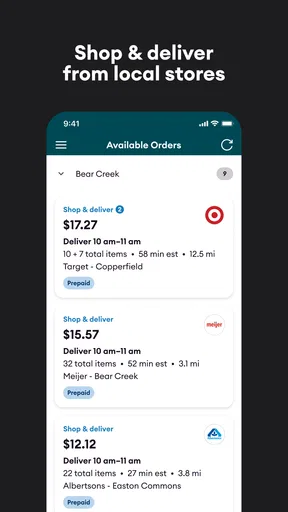
Once you’re in, the app allows you to browse different stores in your area. You can shop from local favorites or stick to the big chains—you have the freedom to choose. The search function is particularly handy, letting you quickly find specific items without scrolling endlessly.
Features That Stand Out
One of the standout features of Shipt is its real-time updates. As a shopper or driver, you’re constantly looped in with notifications. Whether it’s a change in order or a message from the customer, you’re never left in the dark. This transparency is something I truly appreciate, as it makes the whole experience seamless.
The app also offers a nifty scheduling system. You can pick the hours that suit you best, so if you’re someone who likes to plan your day down to the minute, this feature will feel like a godsend. Plus, the flexibility means you can easily fit it around other commitments.
Shopping and Delivering Made Easy
When it comes to the actual shopping, the app provides detailed lists and instructions. You know exactly what to get and where to find it, which saves a ton of time. And if something’s out of stock? No worries, the app suggests alternatives, and you can communicate with the customer to find a suitable replacement.
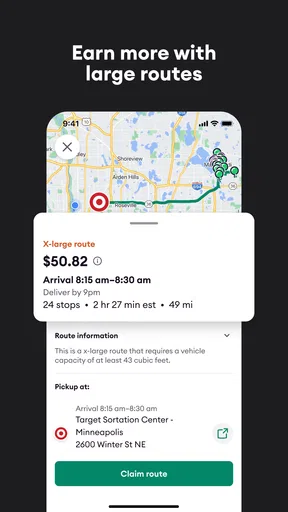
As for the delivery side, the built-in GPS navigation is spot on. It guides you to your destination efficiently, which is crucial when you’re juggling multiple deliveries. Plus, the app allows you to update the customer on your ETA, keeping everyone in the loop.
The Community Vibe
One thing that really sets Shipt apart is its community feel. You’re not just a shopper; you’re part of a larger network. The app encourages interaction and feedback, which fosters a sense of belonging. It’s nice to know there’s support available, whether it’s tips from seasoned shoppers or customer service assistance.
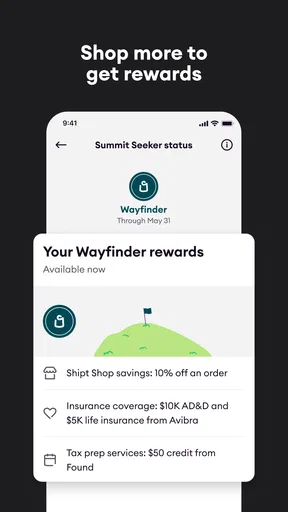
Plus, the community-driven aspect is reflected in the app’s reward system. Shoppers can earn bonuses and incentives, which adds an extra layer of motivation. It’s not just about the paycheck; it’s about being part of something bigger.
Final Thoughts
So, is Shipt: Shopper and Driver worth your time? In my opinion, absolutely. Whether you’re looking to make some extra cash or simply enjoy the hustle of shopping and delivering, this app offers a robust platform to do just that. The ease of use, combined with its thoughtful features, makes it a top choice in the gig economy landscape.
From my experience, it’s a reliable and rewarding way to engage with your community and help people out. If you’re considering joining, I’d say give it a shot—you might just find it’s the perfect fit for your lifestyle.
Pros
- User-friendly interface for easy navigation.
- Flexible scheduling to suit your availability.
- Real-time order tracking enhances efficiency.
- Push notifications for timely updates.
- In-app chat support for quick assistance.
Cons
- Limited service areas may restrict availability.
- High demand times can result in fewer orders.
- App may occasionally crash or freeze.
- Earnings can fluctuate based on location.
- Background check required before starting.
FAQs for Drive and Shop with Shipt
What is Shipt and how does it work?
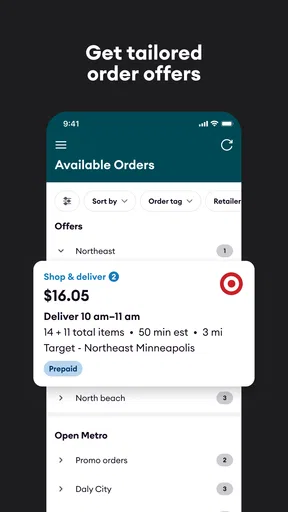
Shipt is a delivery service app that connects shoppers with customers who need groceries and household items delivered. As a shopper, you receive orders through the app, shop for the items in local stores, and deliver them to the customer's doorstep. The app provides flexibility in choosing your work hours and the areas you want to serve.
How do I become a Shipt shopper or driver?
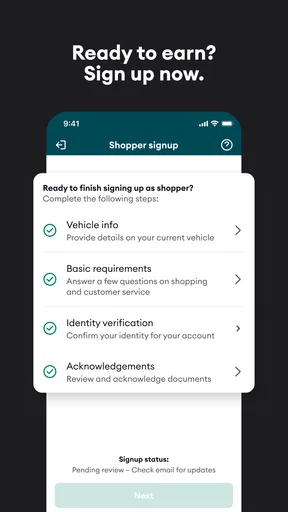
To become a Shipt shopper, you need to apply through the Shipt website or app. The process involves filling out an application, completing an interview, and undergoing a background check. Once approved, you can start accepting orders. You must be at least 18 years old, have a reliable vehicle, a valid driver's license, and a smartphone.
What are the benefits of working with Shipt?
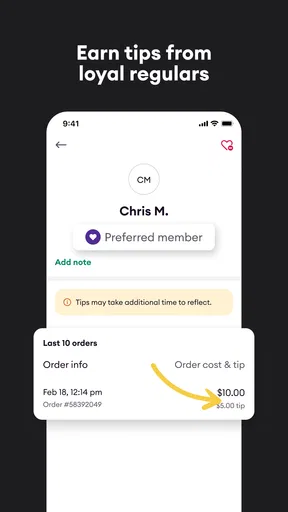
Working with Shipt offers several benefits, including flexible scheduling, the ability to choose your delivery radius, and the opportunity to earn tips. Shoppers can also enjoy discounts on products and services. The app is user-friendly, providing easy navigation and support, which enhances the overall experience for shoppers.
Are there any costs associated with being a Shipt shopper?
While there is no fee to become a Shipt shopper, you are responsible for your own expenses, such as gas, vehicle maintenance, and smartphone data. Additionally, Shipt does not cover insurance for your vehicle, so having proper coverage is essential. It’s important to factor these costs into your earnings.
How much can I earn as a Shipt shopper?
Earnings as a Shipt shopper vary based on factors such as location, the number of orders completed, and tips. Shipt pays per order, and shoppers often receive tips from customers. According to Shipt, shoppers can earn an average of $16 to $22 per hour, but this can fluctuate based on demand and efficiency.


